ConsentPixel – Privacy · Verified

Healthcare Pixel Settlements in 2026: The Payouts — and What a CMP Actually Governs
Healthcare

Healthcare Pixel Settlements 2026: The Payouts, Explained

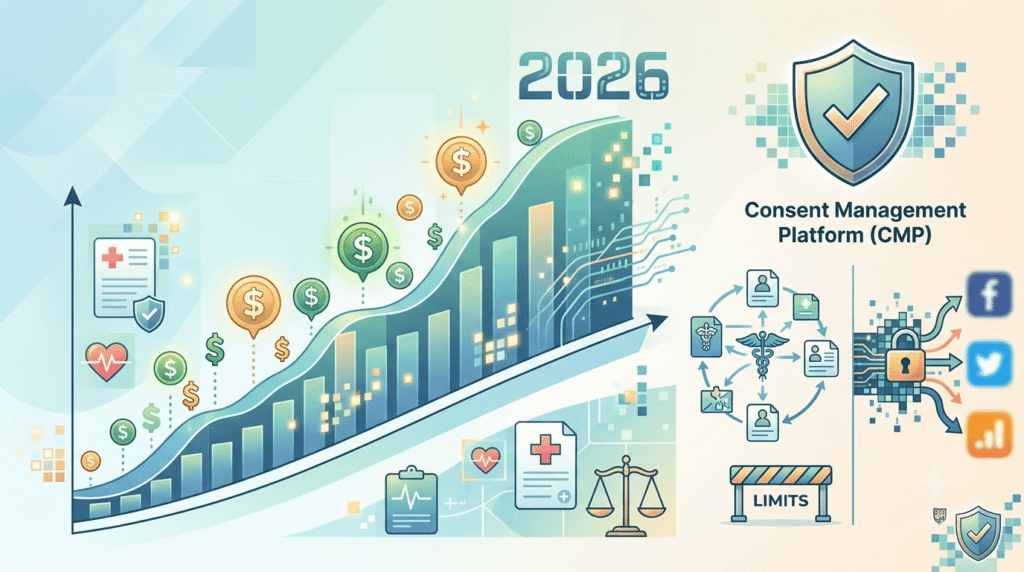
The healthcare pixel settlement wave has crossed from a trickle of filings into a steady stream of nine-figure payouts. Kaiser Permanente alone agreed to as much as $47.5 million; Sutter, Advocate Aurora, Mass General Brigham and Penn Medicine each settled in the eight figures; and a 2026 wave of smaller systems is settling every month. Almost none of these were private HIPAA lawsuits. This is the full roundup — the amounts, why they settle the way they do, and the honest limits of what a consent tool can and can’t fix.

Healthcare Pixel Settlements 2026: The Payouts, Explained Read Post »
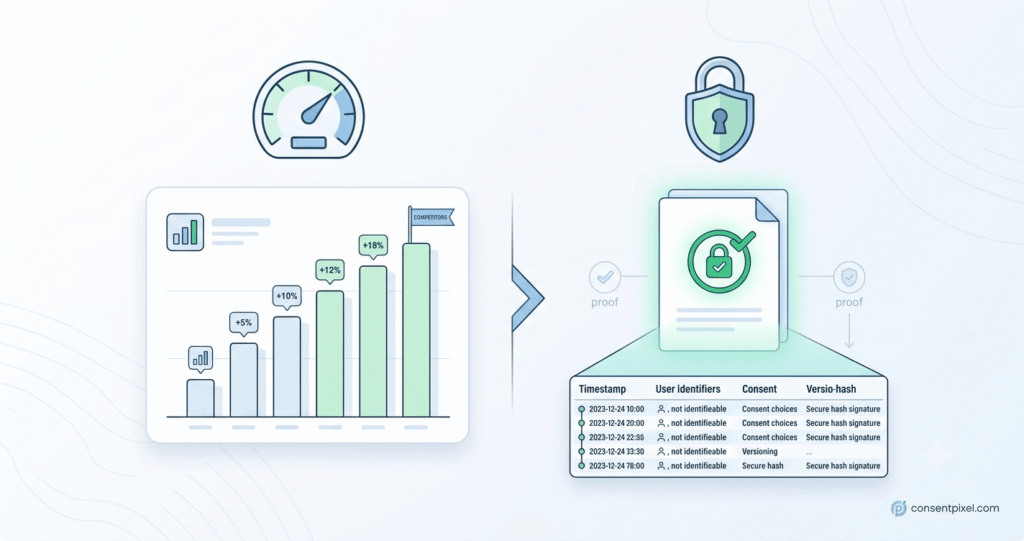
Consent Rate vs Consent Proof: The Metric Everyone Optimizes Isn't the One That Saves You
Privacy

Consent Rate vs Consent Proof: The Metric That Saves You

The privacy industry just turned consent data into a product — benchmarks that show how your consent rate compares to competitors. It’s a useful marketing tool. But it quietly answers the wrong question for the risk that actually matters: when a wiretapping suit or a regulator asks “did this visitor consent, and can you prove it?”, your consent rate is irrelevant. Your consent proof is everything. This is the difference between the two — and why chasing the metric can even make things worse.

Consent Rate vs Consent Proof: The Metric That Saves You Read Post »

Website Trackers Explained: Tracking Cookies, Pixels & Tags
Privacy

Website Trackers Explained: Tracking Cookies, Pixels & Tags

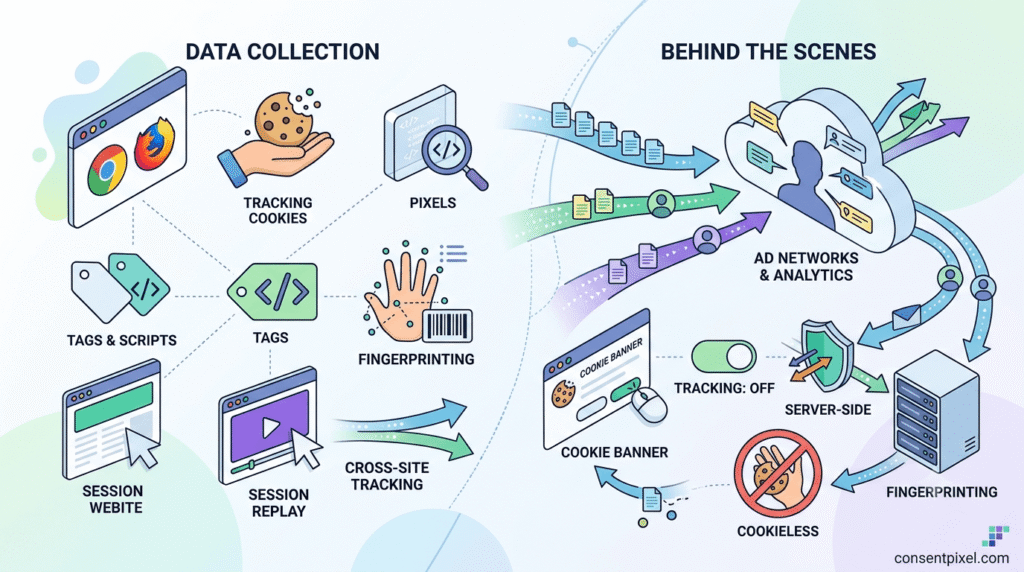
“Tracking cookies” is the phrase most people reach for, but it’s only one piece of how websites watch their visitors. Pixels, tags, fingerprinting, session replay and server-side data flows all track people too — and several of them keep working even after cookies are blocked or deleted. This guide explains every kind of tracker in plain English: what each one does, how cross-site tracking works, how to stop them, and why “going cookieless” doesn’t make the consent problem disappear.

Website Trackers Explained: Tracking Cookies, Pixels & Tags Read Post »

HHS OCR Tracking Guidance in 2026: What Still Applies After AHA v. Becerra
Healthcare

HHS OCR Tracking Guidance in 2026: After AHA v. Becerra

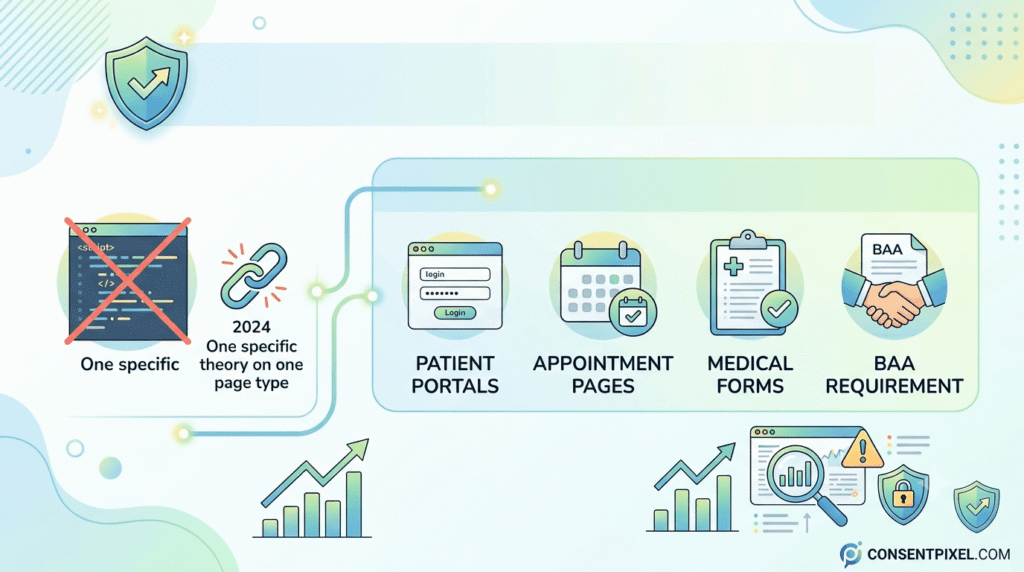
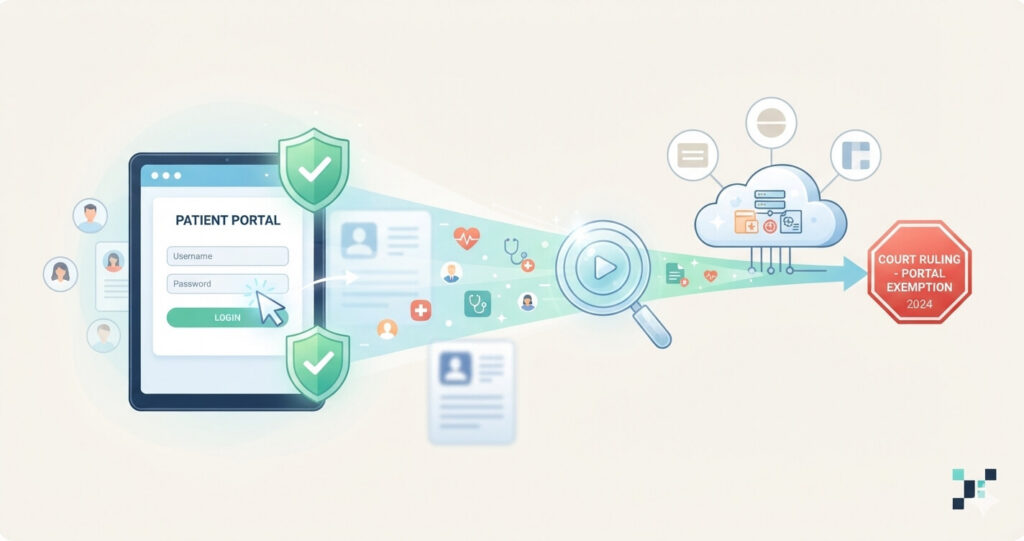
The HHS OCR tracking guidance is the most misread document in healthcare privacy. A 2024 court ruling, AHA v. Becerra, struck down part of it — and headlines turned that into “tracking is fine now.” It isn’t. The vacatur was narrow and specific: it removed one theory about one kind of page. Everything else — patient portals, forms, appointment pages, the BAA requirement — still stands, and in 2026 OCR’s scrutiny has only intensified. Here’s exactly what the guidance requires now.

HHS OCR Tracking Guidance in 2026: After AHA v. Becerra Read Post »

AI Disclosure vs AI Consent: The Two Duties Websites Keep Confusing
AI Consent

AI Disclosure vs AI Consent: The Two Duties Websites Confuse

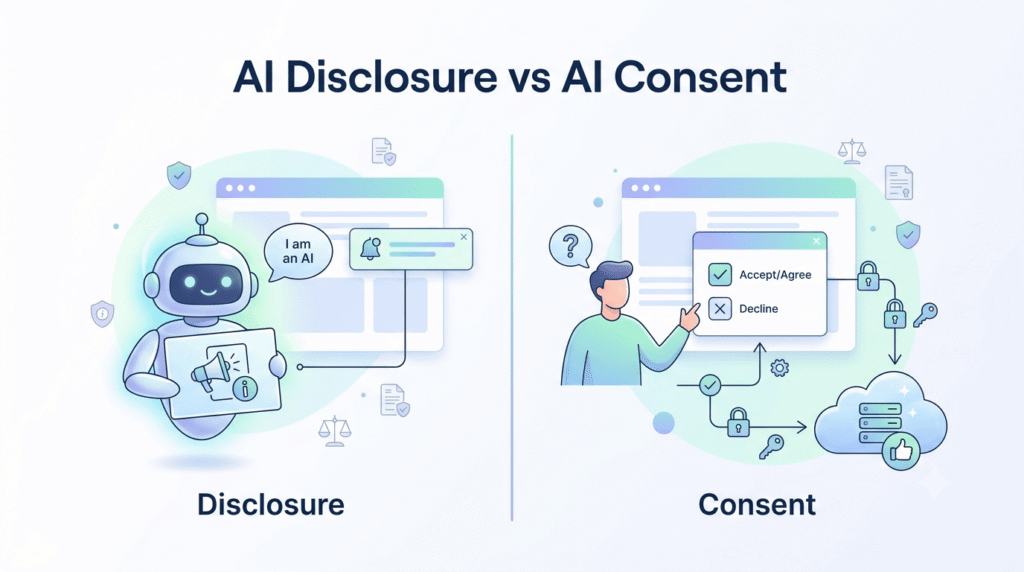
There’s a quiet mistake spreading across the web in 2026: businesses add “this is an AI assistant” to their chatbot and believe they’ve handled AI compliance. They’ve handled disclosure — one of two separate duties. The other is consent: whether that AI may process a visitor’s data before they’ve agreed. And that second duty is turning into the next website-litigation wave, because AI chat is the new session replay. Here’s the map, and why one notice isn’t enough.

AI Disclosure vs AI Consent: The Two Duties Websites Confuse Read Post »

Enzuzo Alternatives 2026: CIPA-First & All-in-One Compared
Alternatives

Enzuzo Alternatives 2026: CIPA-First & All-in-One Compared

Enzuzo is a genuinely good all-in-one privacy platform — cookie consent, six legal-document generators, and DSAR automation in one affordable dashboard. But if you’re looking for an Enzuzo alternative, it’s usually for one of two specific reasons: its pricing is metered by monthly visitors (so a high-traffic site climbs tiers), and it treats US wiretapping law (CIPA) as one item in a broad checklist rather than the thing it’s built around. This is an honest comparison of 8 tools on what actually matters in 2026 — CIPA depth, pricing model, and breadth.

Enzuzo Alternatives 2026: CIPA-First & All-in-One Compared Read Post »

Pandectes Alternatives 2026: Global GDPR + CIPA Consent Compared
Alternatives

Pandectes Alternatives 2026: Global GDPR + CIPA Compared

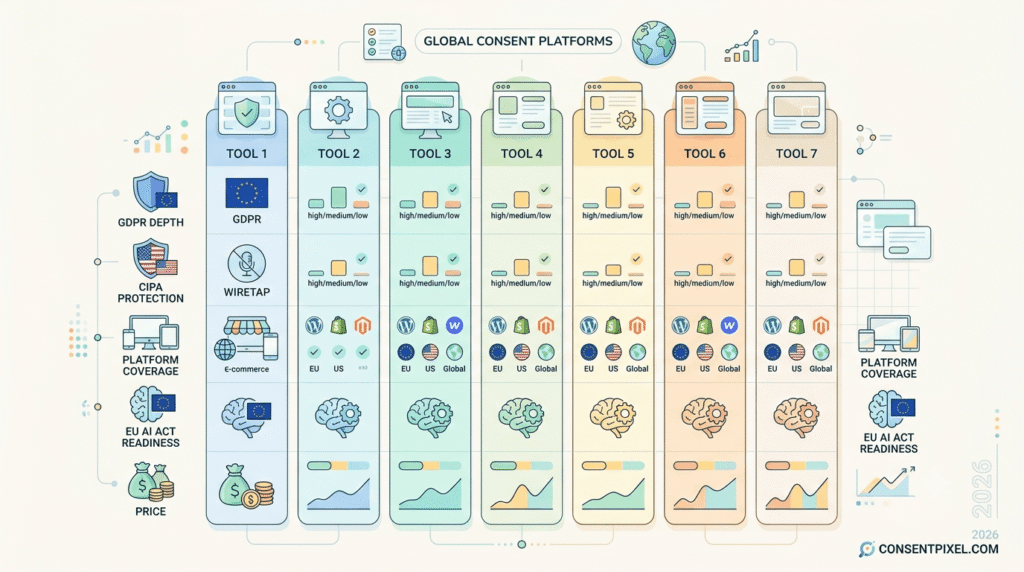
Pandectes is a genuinely good GDPR app — a Google- and Microsoft-certified consent platform with a 5-star reputation across nearly 2,000 Shopify reviews. But if you’re looking for a Pandectes alternative, it’s almost always for one of two reasons: it only runs on Shopify, and it’s built GDPR-first, with US wiretapping law (CIPA) treated as an add-on rather than a core capability. This is an honest comparison of 7 tools on what matters in 2026 — platform coverage, GDPR depth, EU AI Act readiness, CIPA protection, and price.

Pandectes Alternatives 2026: Global GDPR + CIPA Compared Read Post »

Data Protection Explained: What Your Organization Must Do
Privacy

Data Protection Explained: What Your Organization Must Do

People use “data protection” and “data privacy” interchangeably, but the difference is the whole point of this guide. Start with the data protection and privacy definition that actually matters in practice: privacy is the individual’s right to control their information; data protection is the organization’s duty to safeguard it. This article is about the duty side — which laws reach your business in 2026, and what a real data-protection program looks like once you know they do.

Data Protection Explained: What Your Organization Must Do Read Post »

HIPAA-Compliant Analytics: The Real Options — and Is Google Translate HIPAA Compliant?
Healthcare

Is Google Translate HIPAA Compliant? The Real Tool Rules

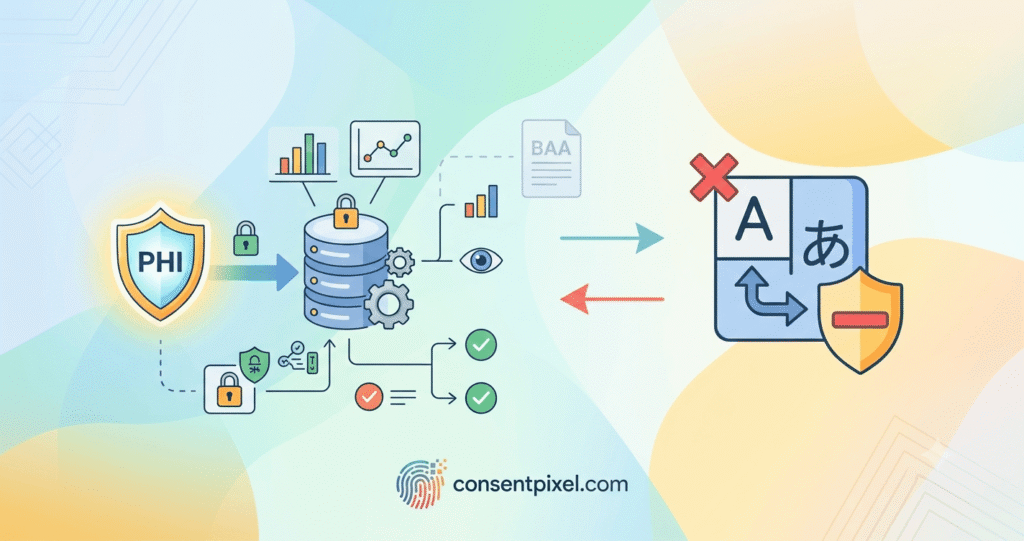
Short answer to the question everyone searches: is Google Translate HIPAA compliant? The free version — no. And the reason why is the same test that tells you whether any tool is safe for patient data, from Google Analytics to Zoom to your appointment scheduler. This guide gives you that test, runs the common tools through it, and covers the half most “HIPAA-compliant analytics” guides skip: even a BAA-covered tool still has to answer for consent.

Is Google Translate HIPAA Compliant? The Real Tool Rules Read Post »

Free Tools to Scan Your Website for Third-Party Trackers (2026)
Privacy

Free Tools to Scan Your Website for Trackers (2026)

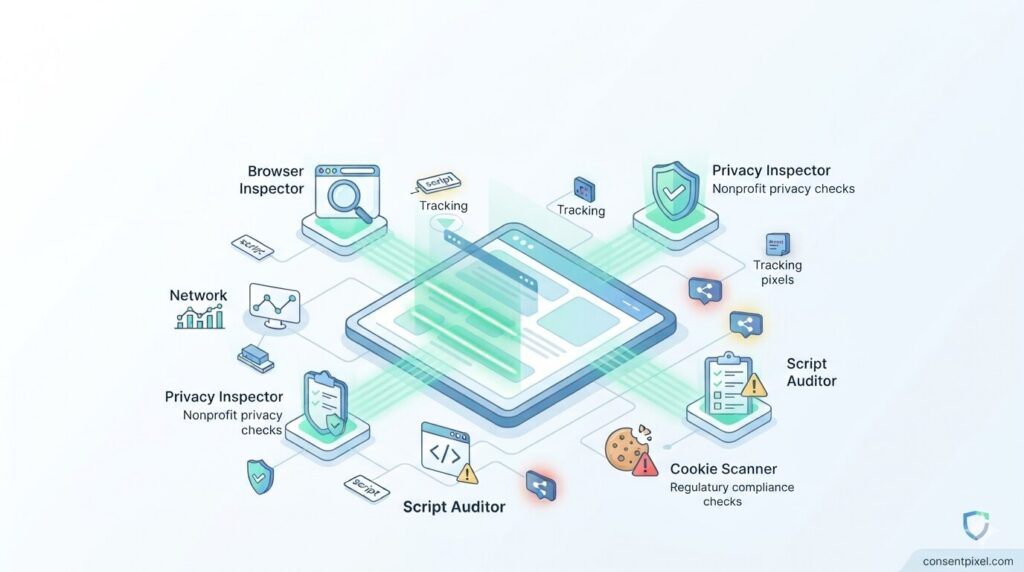
Want to know exactly what’s tracking your visitors? Several genuinely useful free website tracker scanners will show you — from your browser’s built-in tools to nonprofit privacy inspectors to compliance-focused scanners. This is a neutral, up-to-date guide to six of them: what each one finds, where each falls short, and — the part most tool lists skip — which of those trackers actually create legal risk by firing before a visitor consents.

Free Tools to Scan Your Website for Trackers (2026) Read Post »

Ketch vs ConsentPixel for AI Consent: Enterprise Pipeline vs Browser-Side
AI Consent

AI Consent Management Platform: Ketch vs ConsentPixel

If you’re shopping for an AI consent management platform, Ketch and ConsentPixel will both show up — and comparing them head-to-head is a little like comparing a data-center HVAC system to a smart thermostat. Both control the same thing; they operate at completely different altitudes. Ketch is enterprise, server-side AI governance for companies building AI products. ConsentPixel is a browser-side, detection-first consent layer for the far larger group of businesses that simply use AI through widgets and plugins. This is an honest look at where the line falls — including where Ketch is the better choice.

AI Consent Management Platform: Ketch vs ConsentPixel Read Post »

Session Replay in Healthcare: The Patient-Portal Risk
Healthcare

Session Replay in Healthcare: The Patient-Portal Risk

Of all the ways to get website tracking wrong, running session replay in healthcare on a patient portal is the single most dangerous. Behind a login, the visitor isn’t anonymous — they’re a known patient, and everything they do is protected health information. A replay tool recording that session sends a video-like reconstruction of a patient’s private medical activity to a third-party vendor. And the 2024 court ruling that healthcare marketers keep citing as relief? It doesn’t reach the portal at all.

Session Replay in Healthcare: The Patient-Portal Risk Read Post »

AI Disclaimer Example & Disclosure Guide (EU AI Act 2026)
AI Consent, Privacy

AI Disclaimer Example & Disclosure Guide (EU AI Act 2026)

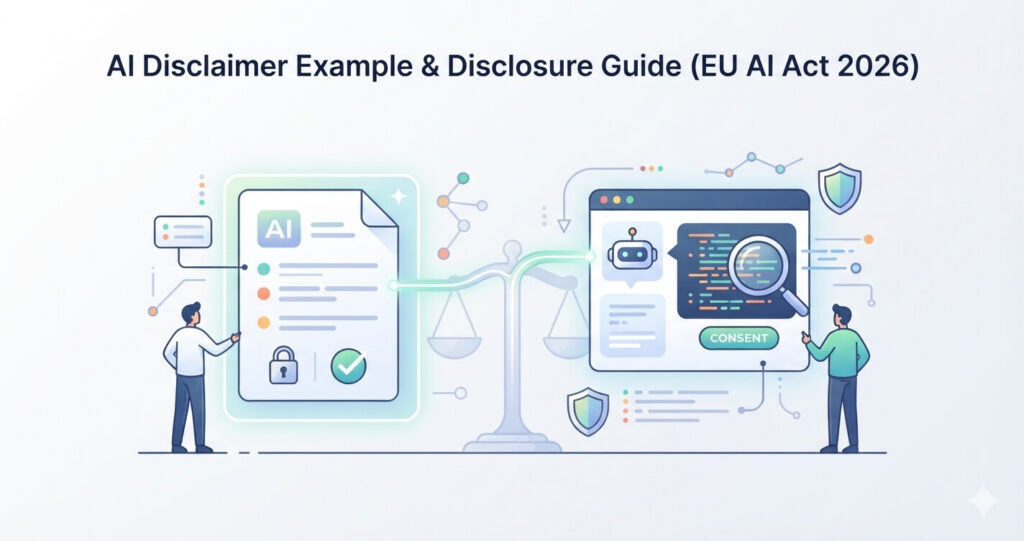
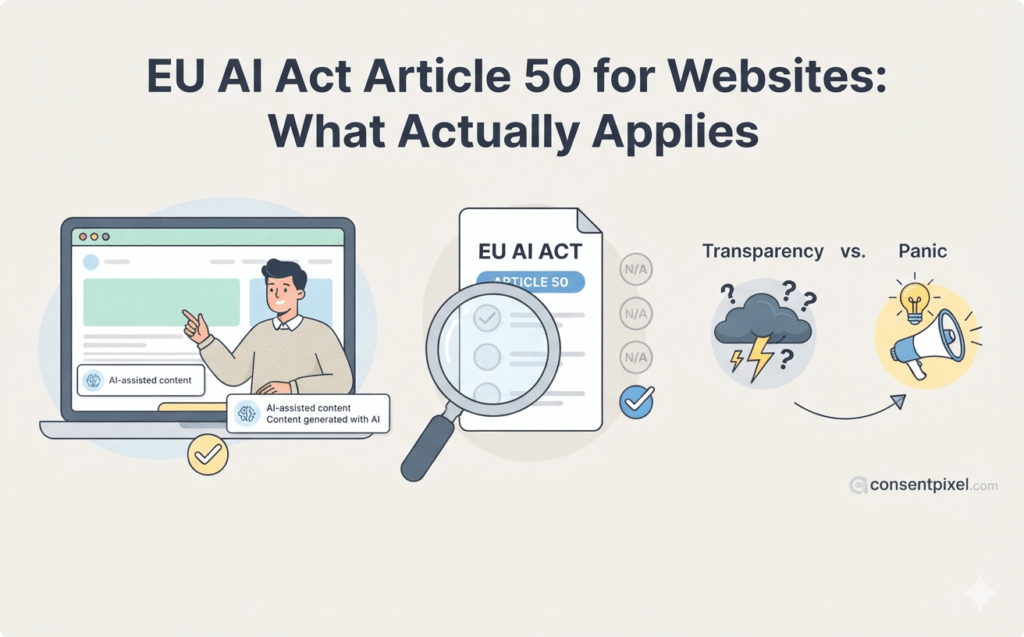
Looking for an AI disclaimer example you can actually use? You’ll find copy-paste wording below — but first, a warning that most template pages skip: “AI disclaimer” means two completely different things, they’re governed by different laws, and getting the wrong one is worse than having none. This guide gives you both sets of examples, shows exactly which the EU AI Act, US state laws, and California’s wiretapping law require, and explains why a disclaimer alone doesn’t finish the job.

AI Disclaimer Example & Disclosure Guide (EU AI Act 2026) Read Post »

AI Chatbots and Privacy Law: What CIPA, GDPR and the AI Act All Require
AI Consent

AI Chatbot Privacy Compliance: CIPA, GDPR & the AI Act

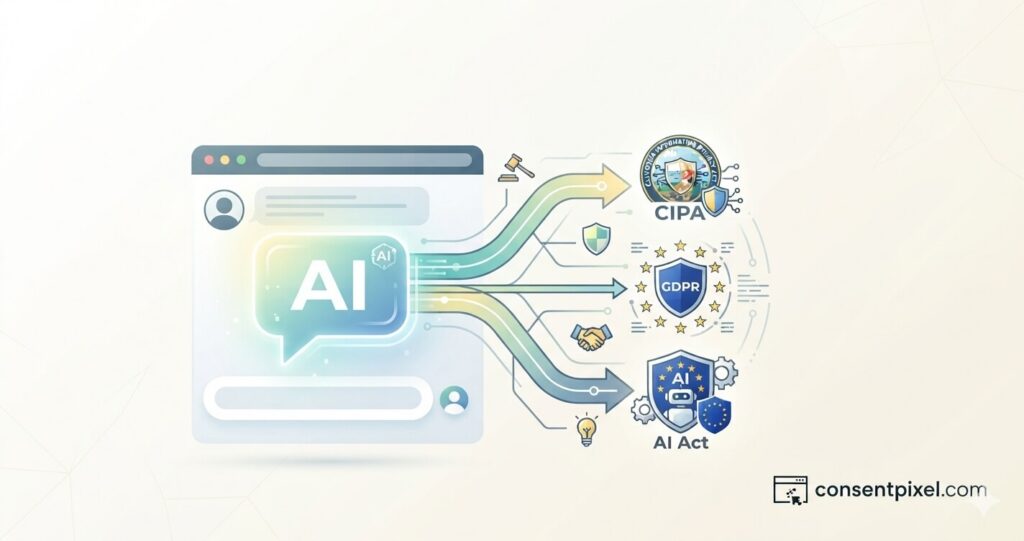
The chat widget you added in ten minutes is, legally, three problems at once. AI chatbot privacy compliance isn’t one box to tick — a single conversation can trigger California’s wiretapping law, the GDPR, and the EU AI Act simultaneously, and each demands something different. The trap most sites fall into is satisfying one and assuming they’ve handled the rest. This is the practitioner’s guide to what all three actually require, where the live lawsuits are, and how to clear them together.

AI Chatbot Privacy Compliance: CIPA, GDPR & the AI Act Read Post »

US & Global Privacy Laws: 2026 Overview (CCPA & More)
Privacy

US & Global Privacy Laws: 2026 Overview (CCPA & More)

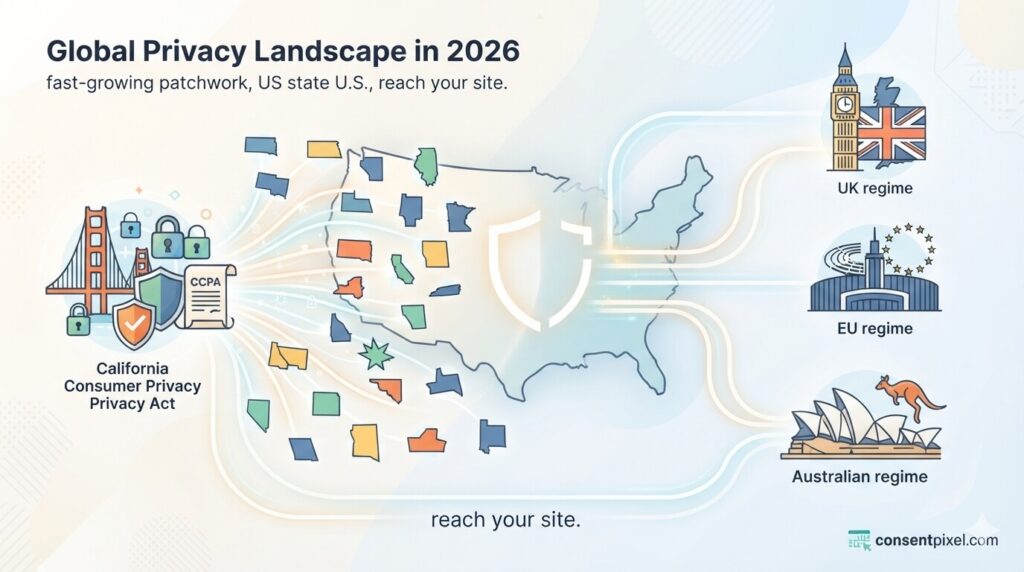
There is still no single privacy law that covers a website. Instead there’s a fast-growing patchwork — and at its center sits the California Consumer Privacy Act, the law that kicked off the modern US era and the one most site owners meet first. This is a plain-English map of what actually applies in 2026: California’s two very different privacy laws, the twenty-state US patchwork, the missing federal law, and the UK, EU and Australian regimes that reach your site the moment their residents visit.

US & Global Privacy Laws: 2026 Overview (CCPA & More) Read Post »

Session Replay GDPR Compliance: Hotjar, Clarity & FullStory Under EU Law
Tracking Pixel

Session Replay GDPR Compliance: Hotjar, Clarity, FullStory

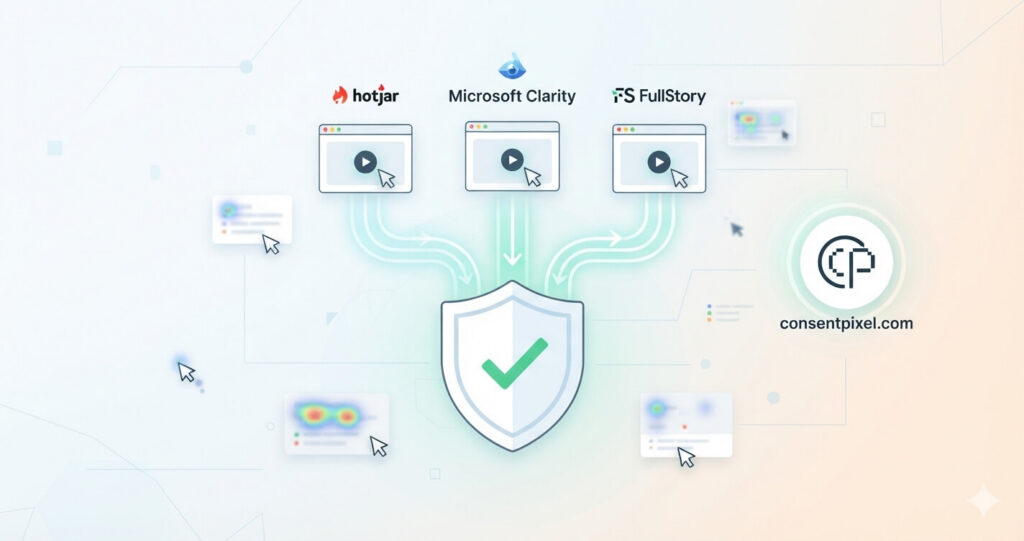
Session replay tools record what your visitors do — every click, scroll, and keystroke — and that makes session replay GDPR compliance a real obligation, not a checkbox. The tools themselves are perfectly legal. What gets sites in trouble is when the recording starts. This guide covers exactly what the EU requires for Hotjar, Microsoft Clarity and FullStory, where each one stands, and the US wiretapping risk that most GDPR guides never mention.

Session Replay GDPR Compliance: Hotjar, Clarity, FullStory Read Post »

OneTrust vs Cookiebot (2026): Which CMP Fits Your Site?
Comparisons

OneTrust vs Cookiebot (2026): Which CMP Fits Your Site?

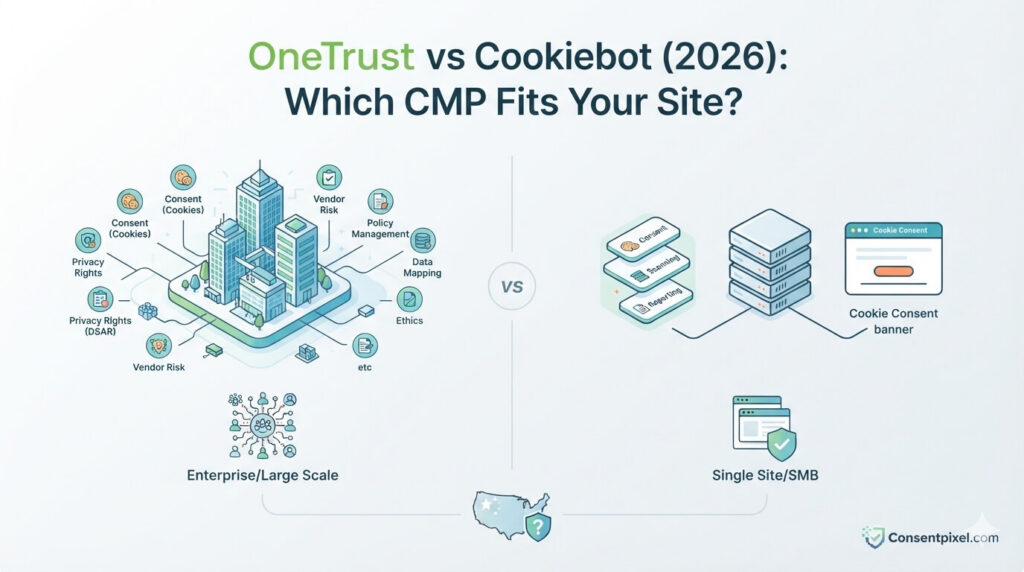
On paper these two look like rivals. In practice they barely compete — they’re built for opposite ends of the market. OneTrust is a sprawling enterprise privacy suite where cookie consent is one module among a dozen; Cookiebot is a focused consent tool you can install on a single site in an afternoon. Picking between them is really about which problem you have — plus one gap both were built before that matters if your traffic includes the United States.

OneTrust vs Cookiebot (2026): Which CMP Fits Your Site? Read Post »

What Is AI-Aware Consent?
AI Consent

What Is AI-Aware Consent? (And Why Cookie Consent Misses It)

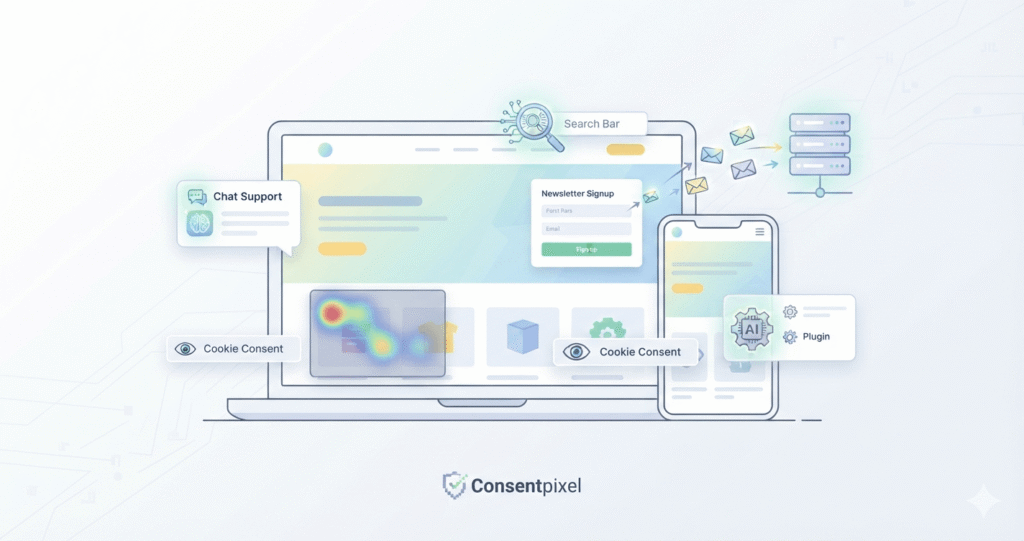
Your cookie banner was designed to answer one question: may we run these trackers? But websites now do something the banner was never built to ask about — they feed visitor data into AI. Chatbots, AI search, recommendation engines, and scoring tools all process what visitors say and do, and a consent banner that only knows about “analytics” and “advertising” has a blind spot exactly where the new risk is. AI-aware consent closes that blind spot.

What Is AI-Aware Consent? (And Why Cookie Consent Misses It) Read Post »

How to Manage Cookies: Enable, Clear & Control
Privacy

How to Manage Cookies: Enable, Clear & Control (2026)

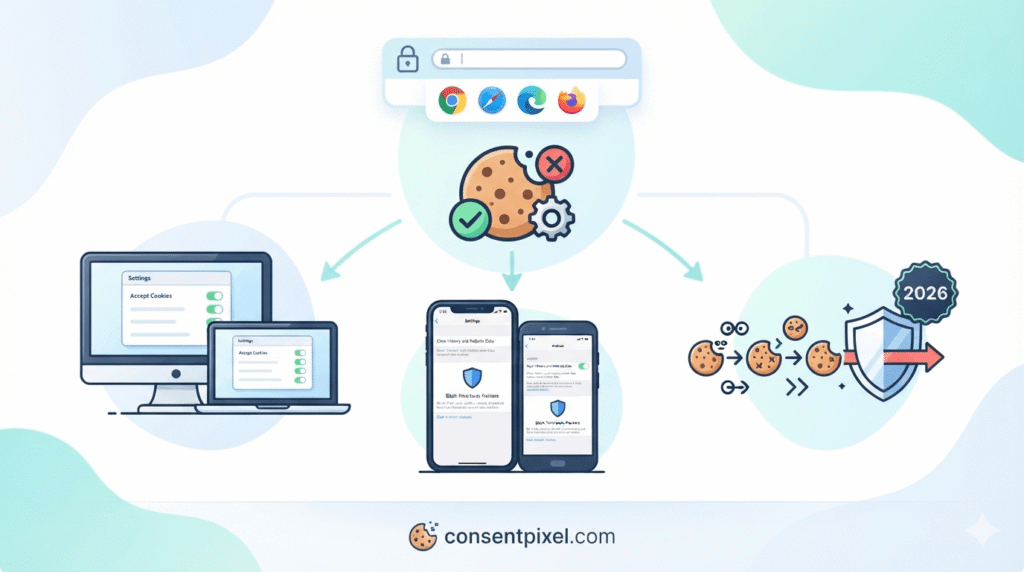
Stuck behind a “please enable cookies to continue” message? Trying to stop ads following you around? This is the complete, current guide to managing cookies — how to enable browser cookies, clear them, view them, and block the tracking kind — in Chrome, Safari, Edge and Firefox, on desktop, Mac, iPhone and Android. Every step is updated for 2026, including what actually changed with third-party cookies this year.

How to Manage Cookies: Enable, Clear & Control (2026) Read Post »

CIPA's Expanding Frontier: From Phone Taps to Pixels to AI
CIPA & Legal Risk

CIPA’s Expanding Frontier: From Phone Taps to Pixels to AI

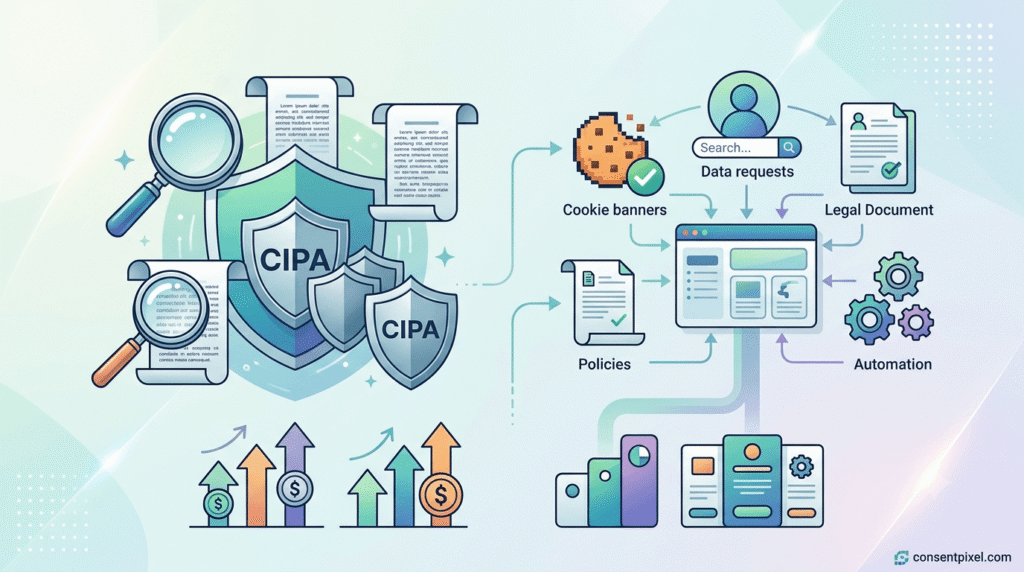
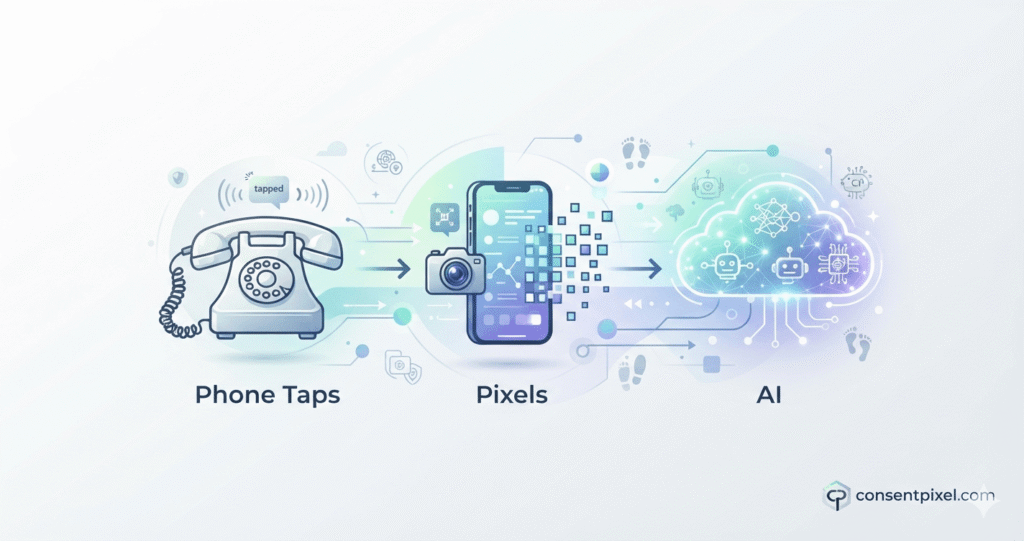
In August 2026, a federal court let a wiretapping case proceed against an AI notetaker that sat in on Zoom calls. The statute it was decided under? A California law written in 1967 for telephone eavesdropping. That’s not a stretch — it’s the pattern. The same consent theory has marched from phone taps, to website pixels, to AI tools, and each jump makes the last one look settled.

CIPA’s Expanding Frontier: From Phone Taps to Pixels to AI Read Post »

Scroll to Top